
Voice Dictation vs. Recording Therapy Sessions: Which Documentation Workflow Fits You?
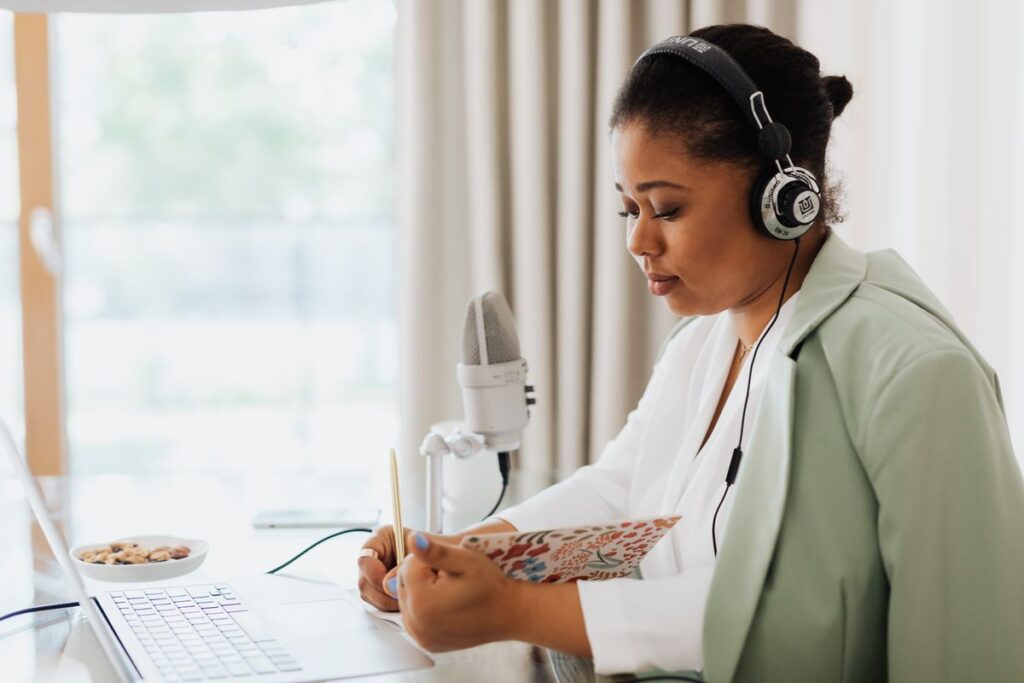
AI note tools usually start in one of two places.
You can record the whole session and generate a note from the conversation. Or you can spend a minute or two after the session dictating the clinically relevant points.
Both can save time. They feel very different in practice.
Quick comparison
| Post-session dictation | Full-session recording | |
|---|---|---|
| Source material | Therapist’s summary | Entire conversation |
| Time to capture | Usually 1–3 minutes | Runs during the session |
| Level of detail | Selected by clinician | Broad and detailed |
| Client experience | No recording during session | Requires a recording workflow |
| Risk of missing details | Higher if recall is poor | Lower for spoken content |
| Review burden | Usually lighter | May require more checking |
| Best fit | Clinicians who think well aloud and prefer selective notes | Clinicians who want fuller capture and are comfortable recording |
The right choice is not simply the fastest one. It is the workflow that produces a useful note without changing the session in a way you dislike.
How post-session dictation works
After the client leaves or the call ends, you speak a short recap:
Client reported increased work anxiety and poor sleep. We used cognitive restructuring to identify catastrophizing about an upcoming review. Client created one balanced alternative and agreed to complete a thought record. Continue weekly sessions and review sleep next time.
The software turns that recap into your chosen format, such as SOAP, DAP, or BIRP.
Advantages of dictation
- You choose what is clinically relevant.
- The session itself is not recorded.
- The source material is short and quick to review.
- Clients may barely notice a change in workflow.
- It works for in-person, telehealth, phone, and mixed settings.
- You can use the same method for treatment plans, intakes, and letters.
Drawbacks of dictation
- You can forget details by the end of a long day.
- The note depends on the quality of your recap.
- It adds a small task between sessions.
- A rushed summary may omit the client’s response or functional impact.
Dictation works best with a repeatable prompt rather than speaking from a blank mind.
Try this sequence:
- Current concern
- Functional impact
- Intervention
- Client response
- Progress
- Plan
How full-session recording works
The tool captures the therapy conversation, separates speakers where possible, and produces a transcript or structured note.
Advantages of recording
- It captures details that may be forgotten later.
- The therapist does not need to create a separate recap.
- Directly spoken plans, interventions, and client responses may be easier to recover.
- It can help with complex or long sessions.
Drawbacks of recording
- Some clients or clinicians may feel less natural with a recorder present.
- Consent and recording rules need a clear workflow.
- The system processes much more sensitive source material.
- Speaker identification and context can be wrong.
- A full transcript can produce an over-detailed note.
- The generated draft may take longer to review.
A complete recording does not automatically create a complete clinical note. The therapist still decides what matters and corrects the draft.
Which method produces better notes?
It depends on the person and the tool.
Dictation often produces cleaner notes because the therapist has already filtered the session into clinical relevance. Recording can produce richer notes because the source includes the whole interaction.
The tradeoff is selection versus capture:
- Dictation: You select first, then AI structures.
- Recording: AI captures first, then you select during review.
If your notes tend to be too long, dictation may help. If you often forget key interventions or exact plans, recording may help.
What about typing or handwritten notes?
This is not a two-option decision.
Some clinicians prefer typing a few bullets. Others take brief handwritten notes and use an image-to-text workflow afterward. A flexible system can support all of these approaches so the clinician can choose based on the session.
For example:
- Dictate routine follow-ups.
- Type short medication or care-coordination notes.
- Record complex sessions when agreed and appropriate.
- Upload handwritten prompts when working away from a computer.
Consistency matters more than purity.
A practical decision guide
Choose dictation first if:
- You can summarize a session clearly in one or two minutes.
- You prefer not to record full conversations.
- Your current notes are too detailed.
- You want the least disruptive change.
- You work across several locations or session types.
Try recording if:
- You regularly forget important details.
- A fuller source improves your note accuracy.
- Recording fits your consent and practice workflow.
- Clients are comfortable with it.
- The tool has clear retention and deletion controls.
Use typing or images if:
- Speaking is awkward in your workspace.
- You already capture excellent bullets.
- You want a quiet workflow between sessions.
- Handwriting helps you stay present.
Test both with the same fictional session
Use a fictional scenario and create one note from a short dictation and another from a sample recording.
Compare:
- Accuracy
- Missing clinical details
- Added or unsupported details
- Time to generate
- Time to edit
- Final note length
- How natural the workflow felt
Measure the whole process. A note that generates in 20 seconds but takes ten minutes to clean up is not the faster option.
Tips for better voice dictation
- Dictate immediately after the session.
- Use the same six-part prompt every time.
- Speak in short, natural sentences.
- Name the intervention and response explicitly.
- Say “next session” before stating the Plan.
- Review the draft while the session is still fresh.
You do not need to dictate polished clinical prose. That is the part the software should help organize.
Tips for better recording-based notes
- Explain the workflow in plain language.
- Confirm and document consent as required.
- Have a non-recording alternative ready.
- Check speaker labels and risk statements carefully.
- Trim transcript-like detail from the final note.
- Know when recordings and transcripts are deleted.
Apollo Notes supports both
Apollo Notes lets you dictate a post-session recap, type notes, record a session, upload audio, or extract text from an image. You choose the note template and review the generated draft before using it.
That flexibility is useful for small practices because one method rarely fits every clinician or session.
Learn more about speech-to-text for therapists or try Apollo Notes for free.
Frequently asked questions
How long should a post-session dictation be?
Often one to three minutes is enough for a routine session. Focus on concern, impact, intervention, response, progress, and plan.
Does recording a session remove the need to take notes?
It may reduce note-taking, but the clinician still reviews the draft and decides what belongs in the record.
Can I switch methods between sessions?
Yes. A flexible workflow may be better than forcing the same input method onto every type of session.
Which method is faster?
Dictation often has a shorter review cycle. Recording removes the separate recap but may create a longer draft to check. Test both using your actual workflow.